
SCHEDULE 2026
Absolutely Interdisciplinary 2026
May 13, 2026 | Schwartz Reisman Innovation Campus
9:00 AM – 9:30 AM | Breakfast and registration
9:30 AM – 9:35 AM | Introductory remarks
9:35 AM – 10:30 AM | Session 1: Keynote by Kashmir Hill, “Artificial agents, real relationships”
10:30 AM – 10:45 AM | Break
10:45 AM – 12:15 PM | Session 2: AI as social agent: Intimacy, empathy, and persuasion
12:15 PM – 1:15 PM | Lunch
1:15 PM – 2:45 PM | Session 3: Benchmarking minds: How to evaluate cognitive capacities in general-purpose AI?
2:45 PM – 3:00 PM | Break
3:00 PM – 4:00 PM | Session 4: AI and misinformation
4:00 PM – 5:00 PM | Reception
Venue
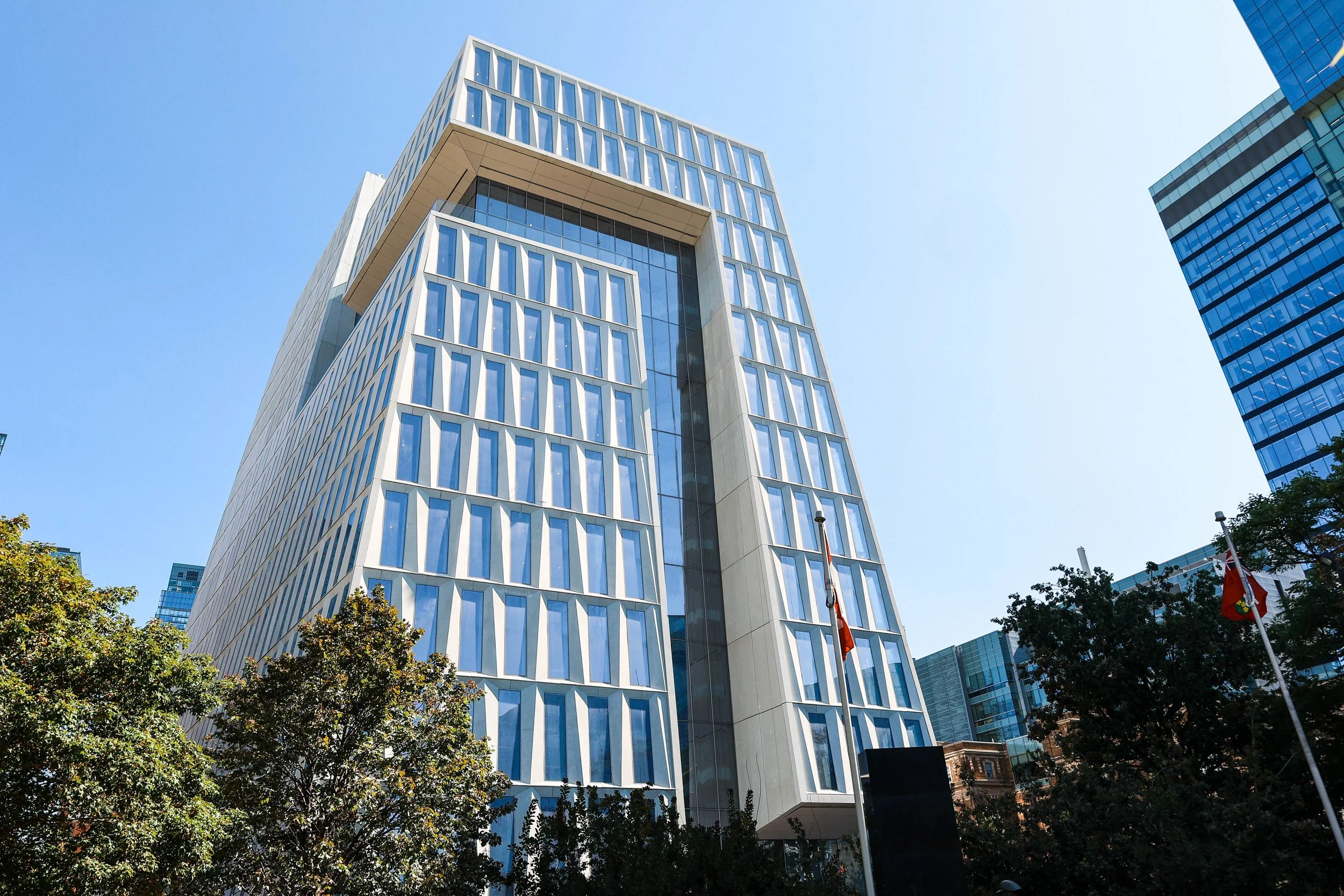
Schwartz Reisman Innovation Campus
University of Toronto
108 College St., second floor
Toronto, Ontario, Canada
M5G 0C6
All sessions take place exclusively in person.
keynote: “Artificial agents, real relationships”
May 13, 2026 | 9:35 AM – 10:30 AM
Speaker: Kashmir Hill, The New York Times
AI systems are increasingly influential in our day-to-day lives. From recommendation engines that shape our attention to chatbots that offer companionship, advice, and emotional support, artificial systems are becoming privy to sensitive information about us and steering our decision-making. But what happens when software begins to function as a "someone" rather than a "something"? In this opening keynote, Kashmir Hill, investigative journalist at The New York Times, draws on her distinctive reporting at the intersection of technology, power, and lived experience to explore how AI systems influence belief, mediate relationships, and quietly reshape norms around privacy, persuasion, and trust.
AI as social agent: Intimacy, empathy, and persuasion
May 13, 2026 | 10:45 AM – 12:15 PM
Speakers: Thomas Costello, Carnegie Mellon University; Anat Perry, Hebrew University of Jerusalem; Kashmir Hill, The New York Times (respondent)
Moderator: Michael Inzlicht, University of Toronto
AI systems are increasingly functioning as social agents. People form deep attachments to AI companions, seek emotional support from chatbots, and sometimes revise long-held beliefs through AI conversations. This session explores a fundamental question: What makes artificial agents effective at both emotional connection and persuasion? Through journalism and experimental research, our speakers examine how AI's capacity for personalized, patient interaction shapes human relationships and beliefs. We investigate what people value in AI empathy versus human empathy, how AI conversations can shift conspiracy beliefs, and what real-world stories reveal about both the benefits and risks of AI companionship. These cases illuminate broader questions about authenticity, trust, and the boundaries between simulated and genuine human connection.
Benchmarking minds: How to evaluate cognitive capacities in general-purpose AI?
May 13, 2026 | 1:15 PM – 2:45 PM
Speakers: José Hernández-Orallo, University of Cambridge (virtual); Raphaël Millière, University of Oxford
Moderator: Karina Vold, University of Toronto
As AI systems increase in versatility and scope, assessing their potential cognitive capacities becomes urgent. This panel brings together researchers from AI, philosophy, and cognitive science to explore how we can meaningfully evaluate such systems. We’ll discuss what constitutes a “cognitive capacity” or an “inner life”? How can approaches from cognitive science, comparative psychology, and psychometrics translate—or fail to—when applied to general-purpose AI? What are the challenges of applying traditional benchmarks to identify emergent cognitive properties? What are the implications of these issues for safety, trust, and alignment?
AI and Misinformation
May 13, 2026 | 3:00 PM – 4:00 PM
Speaker: Jevin D. West, University of Washington
Moderator: David Lie, University of Toronto
Session description coming soon.