
SPEAKERS 2026
explore our lineup of 2026 speakers:
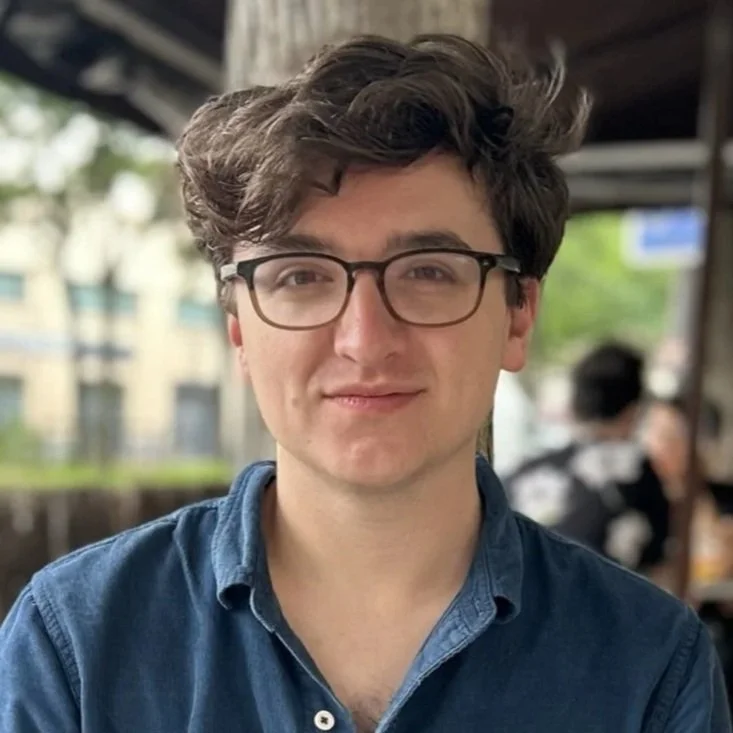
Thomas Costello
Assistant Professor, Social and Decision Sciences, Carnegie Mellon University
Thomas Costello is an assistant professor in Social and Decision Sciences at Carnegie Mellon University. He also holds appointments as affiliated faculty at the Human-Computer Interaction Institute at Carnegie Mellon University and is a research affiliate at MIT’s Sloan School of Management. His research integrates psychology, political science, and human-computer interaction to examine where our viewpoints come from, how they differ from person to person, and why they change. He also studies the sweeping impacts of artificial intelligence on these belief- and society-related processes. Costello’s work has been supported by federal agencies, philanthropic foundations, and corporate sponsors, and has been published in top peer-reviewed outlets, including Science, Nature, Nature Medicine, Journal of Personality and Social Psychology, Psychological Bulletin and Trends in Cognitive Sciences. He has been featured in outlets such as The New York Times, BBC World News, and NPR. Costello developed DebunkBot.com, a public tool for combating conspiracy theories with AI. He has been awarded the Rising Star Award from the Association for Psychological Science, the Klarman Fellowship from Cornell University, the Heritage Dissertation Research Award from the Society for Personality and Social Psychology, and the JS Tanaka Dissertation Award from the Association for Research in Personality.
➦ Speaker: AI as social agent: Intimacy, empathy, and persuasion
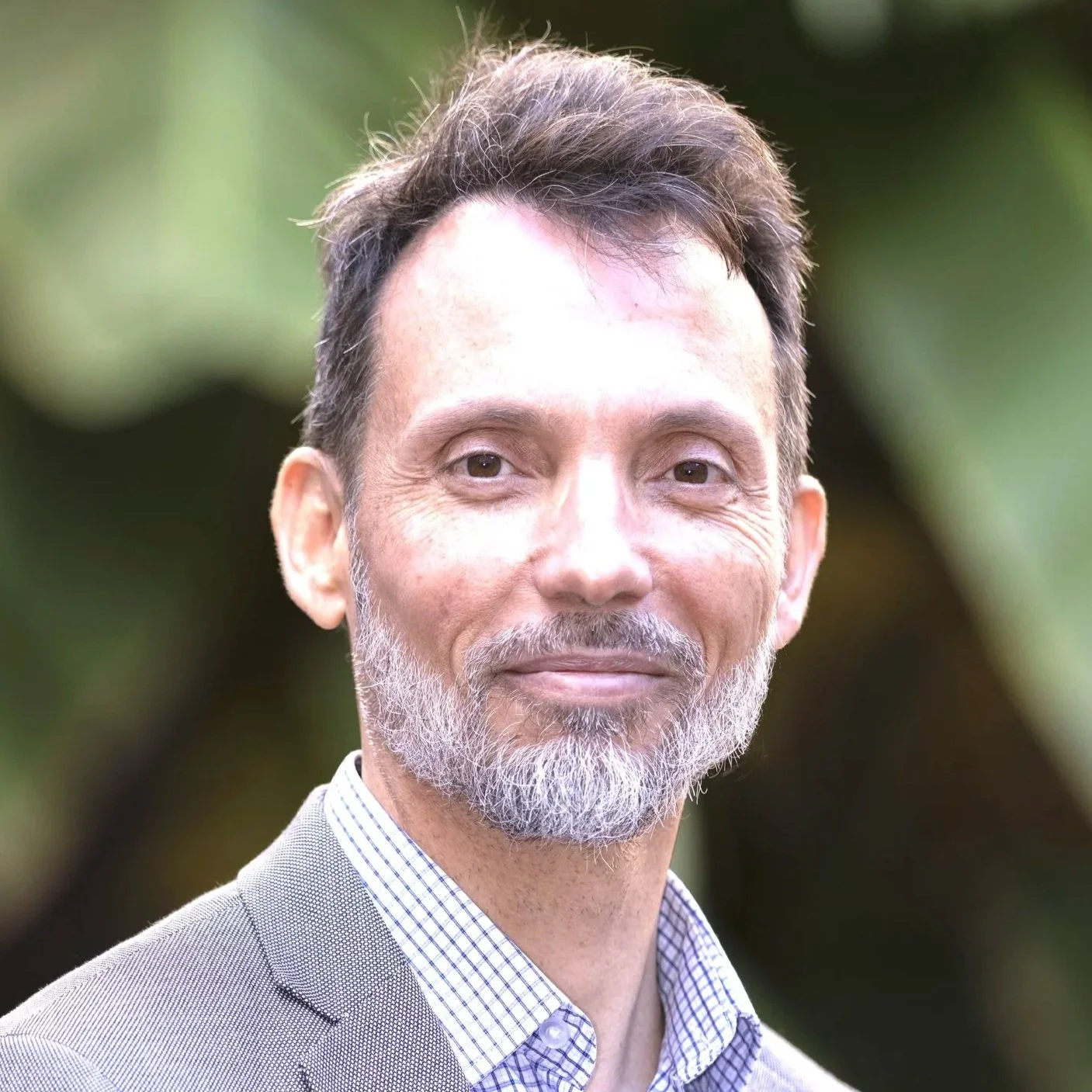
José Hernández-Orallo
Director of Research and Research Professor, Leverhulme Centre for the Future of Intelligence, University of Cambridge; Professor, TU Valencia, Spain
José Hernández-Orallo is director of research at the Leverhulme Centre for the Future of Intelligence, University of Cambridge, and professor (on partial leave) at TU Valencia, Spain. His academic and research activities have spanned several areas of artificial intelligence, machine learning, data science and intelligence measurement, with a focus on a more insightful analysis of the capabilities, generality, progress, impact and risks of AI. Hernández-Orallo has published five books and more than two hundred journal articles and conference papers on these topics. His research in the area of machine intelligence evaluation has been covered by several popular outlets, such as The Economist, WSJ, FT, New Scientist or Nature. He keeps exploring a more integrated view of the evaluation of natural and artificial intelligence, as vindicated in his book The Measure of All Minds (Cambridge University Press, 2017), recipient of the PROSE Award in 2018. Hernández-Orallo is a founder of The AI Evaluation Substack and The AI Evaluation Programme, and is a member of AAAI, CAIRNE and ELLIS, and a EurAI Fellow.
➦ Speaker (virtual): Benchmarking minds: How to evaluate cognitive capacities in general-purpose AI?

Kashmir Hill
Investigative Reporter, The New York Times
Kashmir Hill is a tech reporter at The New York Times and the author of Your Face Belongs to Us: A Tale of AI, a Secretive Startup, and the End of Privacy, published in 2024 by Penguin Random House. She writes about the unexpected and sometimes ominous ways technology is changing our lives, particularly when it comes to our privacy. Hill joined The Times in 2019, after having worked at Gizmodo Media Group, Fusion, Forbes Magazine, and Above the Law. Her writing has appeared in The New Yorker and The Washington Post. She has degrees from Duke University and New York University, where she studied journalism. Hill has won several journalism awards for her work, including a National Press Foundation Award for Impactful Journalism (2018) and a CSAW Cyber Journalism Award (2020), and was shortlisted for the Royal Society Trivedi Science Book Prize in 2024 for Your Face Belongs To Us. She has lectured and spoken widely on topics pertaining to technology, privacy, and artificial intelligence, including a TED Talk in 2018 and numerous presentations at university events, industry conferences, and media appearances.
➦ Speaker: Opening keynote; AI as social agent: Intimacy, empathy, and persuasion
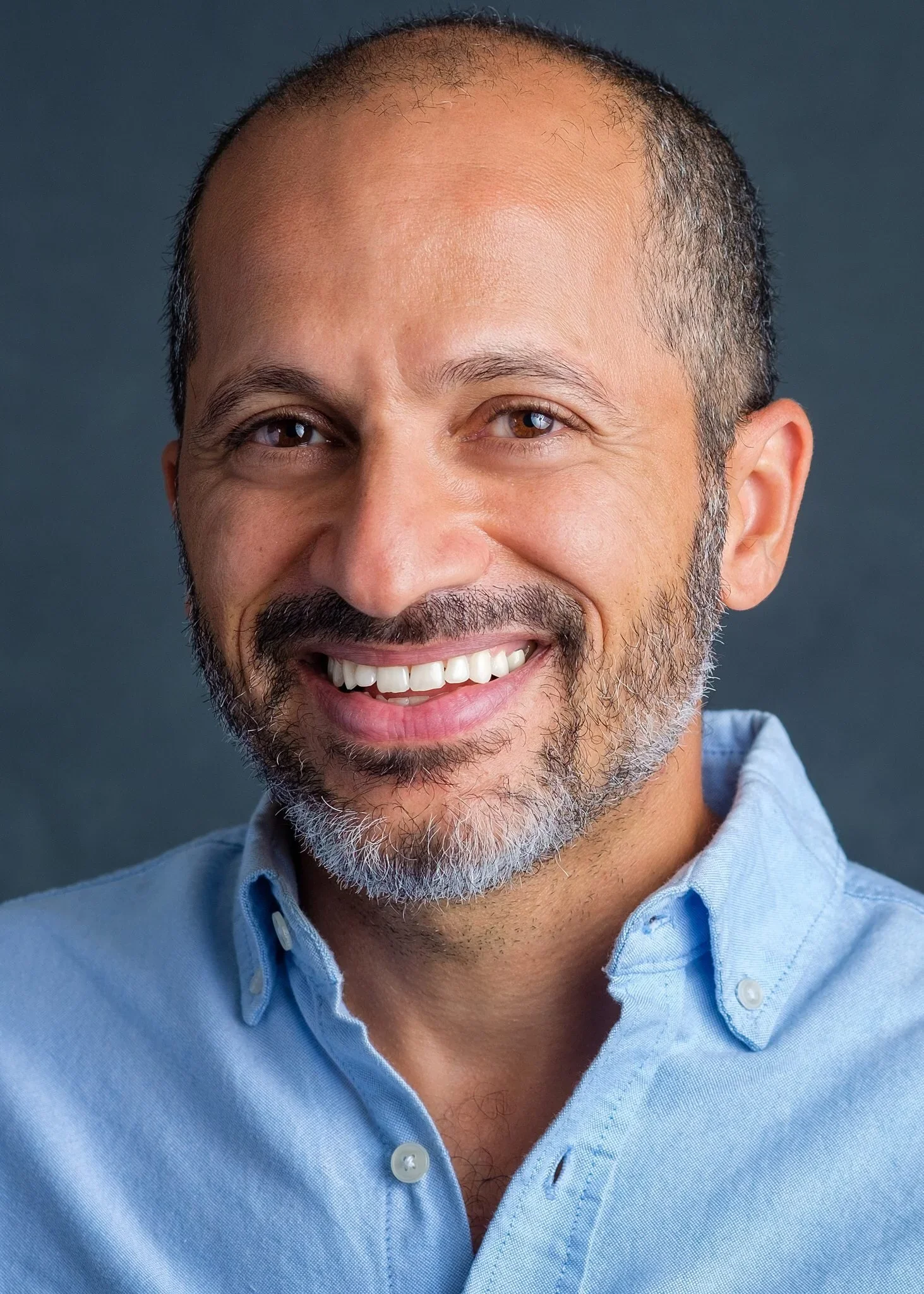
Michael Inzlicht
Professor, Department of Psychology, University of Toronto; Research Lead, Schwartz Reisman Institute for Technology and Society
Michael Inzlicht is a professor in the Department of Psychology at the University of Toronto, with a cross-appointment as professor in the Department of Marketing at the Rotman School of Management. He is also a research lead at the Schwartz Reisman Institute for Technology & Society. Inzlicht’s research sits at the boundaries of social psychology and cognitive science, exploring the paradoxes of human motivation—particularly why people both avoid and find meaning in mental effort, and how digital technologies are reshaping behavior and wellbeing. He has pioneered research showing that empathy is cognitively demanding and often avoided because of its mental costs, challenging common assumptions about human compassion. His current work examines how exerting effort paradoxically increases feelings of meaning, how rapid content switching on digital platforms increases boredom, whether AI can express empathy more effectively than humans, and the psychological effects of recreational cannabis use. Inzlicht has published more than 180 peer-reviewed journal articles and book chapters and edited two books, with his work cited over 34,000 times. His research has been featured in major media outlets including The New York Times, The Atlantic, The Guardian, NPR, The Washington Post, BBC News, The Globe and Mail, TIME, Forbes, and Science. His research and teaching have been recognized with the Carol and Ed Diener Mid-Career Award in Social Psychology, the Wegner Theoretical Innovation Prize, the ISCON Best Social Cognition Paper Award, and Professor of the Year. He has been recognized as among the top 1% of most-cited psychologists in the world for four consecutive years (2022–25). He co-hosts the podcast Two Psychologists Four Beers, and writes the Substack newsletter Speak Now Regret Later.
➦ Moderator: AI as social agent: Intimacy, empathy, and persuasion

David Lie
Professor, Department of Electrical and Computer Engineering, University of Toronto; Director, Schwartz Reisman Institute for Technology and Society
David Lie is a world-leading computer security expert who is known for his seminal work that led to modern trusted execution processor architectures. As professor at the Edward S. Rogers Sr. Department of Electrical & Computer Engineering (ECE) at the University of Toronto, with cross-appointments in the Department of Computer Science and Faculty of Law, and a Canada Research Chair in Secure and Reliable Systems, Lie’s research goal is to ensure that the computing infrastructure our societies rely on heavily be secure, reliable, and trustworthy—especially at a crucial time when computer systems increasingly permeate our lives. Lie was an inaugural research lead at the Schwartz Reisman Institute, and is a member of Innovation, Science and Economic Development Canada’s (ISED) Safe and Secure AI Advisory Group. He has worked on a number of interdisciplinary research projects at the intersection of computing, policy, law, and the use, stewardship, and governance of data, including current work on mobile and embedded device security and developing robust, secure, and safe AI systems.
➦ Moderator: AI and misinformation
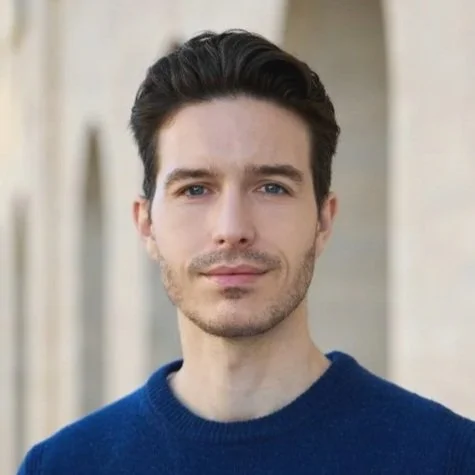
Raphaël Millière
Associate Professor, Faculty of Philosophy, University of Oxford; Affiliate Member, Institute for Ethics in AI
Raphaël Millière is an associate professor in theoretical philosophy and computer science at the University of Oxford, and a fellow at Jesus College. He holds an affiliation at the Institute for Ethics in AI, and an AI2050 Fellowship from Schmidt Sciences. Before joining Oxford, he was an assistant professor in the philosophy of AI at Macquarie University and a Presidential Scholar at Columbia University. Millière’s research interests lie at the intersection of philosophy, cognitive science, and artificial intelligence. His current work focuses on assessing the linguistic and reasoning abilities of large language models, drawing on philosophy and computer science to shed light on the potential of these models to advance our understanding of human cognition. He completed his DPhil in philosophy at the University of Oxford in 2020, an MA in Philosophy from the Institut Jean Nicod at École Normale Supérieure, and a BA in Philosophy from Sorbonne University. Millière’s research has been supported by awards such as a Discovery Early Career Researcher Award (DECRA) and a Discovery Project from the Australian Research Council, the Ertegun Scholarship from the University of Oxford, the Jacobsen Studentship from the Royal Institute of Philosophy, and the Young Researcher Prize from Fondation des Treilles. His work has been featured in media outlets such as CNN, The Atlantic, Vox, and Wired.
➦ Speaker: Benchmarking minds: How to evaluate cognitive capacities in general-purpose AI?
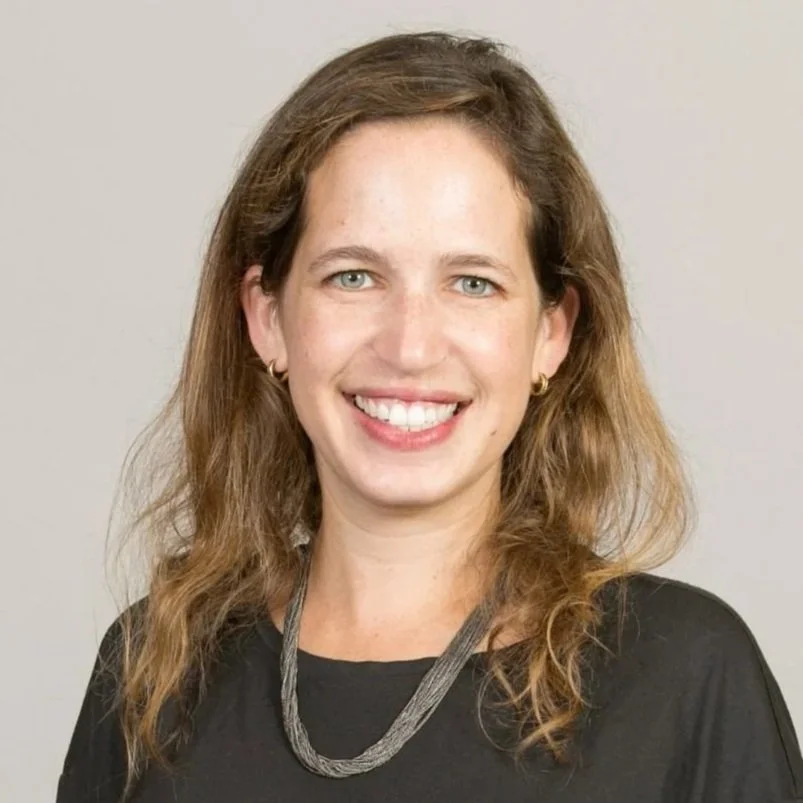
Anat Perry
Associate Professor, Department of Psychology, Hebrew University of Jerusalem; Director, Social Cognitive Neuroscience Lab
Anat Perry is an associate professor of psychology at the Hebrew University of Jerusalem, where she directs the Social Cognitive Neuroscience Lab. Her research examines the mechanisms and boundaries of empathy, integrating tools and perspectives from cognitive, social, and affective psychology and neuroscience. In recent years, Perry has become a leading voice in the emerging field of AI and empathy, studying how people experience and evaluate empathic responses when they come from artificial intelligence rather than humans. She is particularly interested in how these interactions shape our understanding of what makes human empathy distinct—and valued. Perry earned her PhD in psychology from the Hebrew University of Jerusalem and completed a postdoctoral fellowship at UC Berkeley. Her research has been supported by the Azrieli Foundation, the Israel Science Foundation, and the United States–Israel Binational Science Foundation, among other organizations. Her work has appeared in such leading journals as Nature Human Behaviour and PNAS. She serves on the editorial board of Social Cognitive and Affective Neuroscience.
➦ Speaker: AI as social agent: Intimacy, empathy, and persuasion

Karina Vold
Assistant Professor, Institute for the History & Philosophy of Science & Technology and Department of Philosophy, University of Toronto; Research Lead, Schwartz Reisman Institute for Technology and Society
Karina Vold works at the intersection of the philosophy of cognitive science, the philosophy of technology, artificial intelligence, and applied ethics. She is cross-appointed in the Institute for the History and Philosophy of Science and Technology (IHPST) and the Department of Philosophy at the University of Toronto. Before joining the IHPST, she worked as a postdoctoral research associate at the Leverhulme Centre for the Future of Intelligence at the University of Cambridge. In her recent work, Vold has written on the implications of theories of extended cognition, on responsible innovation in online therapy, and on the capabilities and risks of AI. Her current projects include researching the effects of AI on human cognition and autonomy, understanding the harms arising from targeted online “nudging,” evaluating arguments for existential threats from AI, and building frameworks for the ethical design of AI systems.
➦ Moderator: Benchmarking minds: How to evaluate cognitive capacities in general-purpose AI?
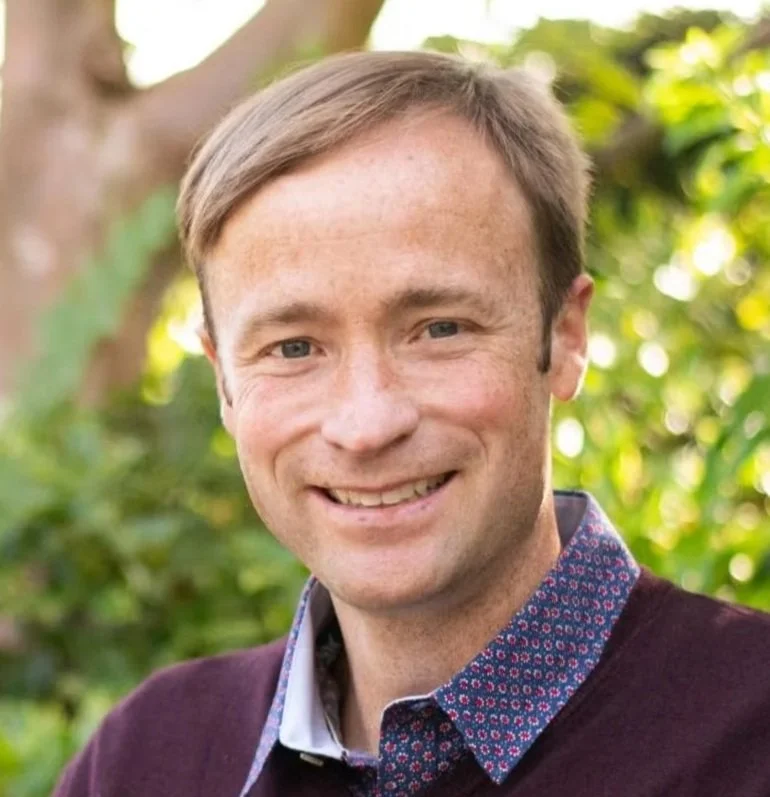
Jevin D. West
Professor and Associate Dean for Research, Information School, University of Washington
Jevin D. West is a professor and associate dean for research in the Information School at the University of Washington. He is the co-founder and inaugural director of the Center for an Informed Public, co-founded the DataLab and coordinates data science education at the University of Washington and the eScience Institute. West uses computational methods to study the sociology of science, the spread of misinformation, and the impact of generative AI on collective discourse. He believes strongly in the teaching mission of the university and has co-created open courses, games, and programs devoted to improving critical thinking and data reasoning in a digital world. Much of his work focuses on developing methods for mapping large citation networks to understand the evolution of scholarly ideas. More broadly, he applies network thinking to a wide range of systems, including the movement of water molecules in stomatal networks, the spread of infectious disease through human contact networks, and passenger flows in airline transportation networks. He co-founded several major Science of Science research initiatives, including Eigenfactor.org and Viziometrics.org.
➦ Speaker: AI and misinformation